March 30, 2024
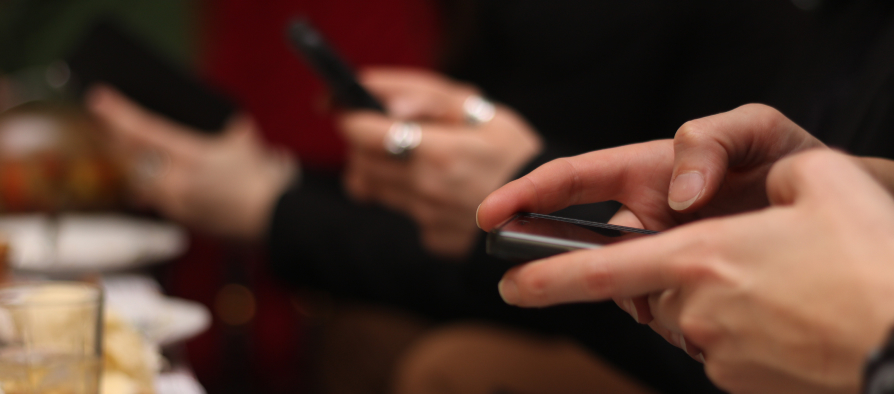
At first glance, millennials seem to have it all when it comes to connection. We came of age alongside the rise of social media, smartphones, and constant digital communication. But beneath the surface of DMs, group chats, and Instagram stories, many in this generation report a stark sense of loneliness, alienation, and disconnection.
Research over the years has revealed something troubling, millennials are among the loneliest generations. A YouGov survey found that 30% of millennials say they “always” or “often” feel lonely, much higher than for Generation X (20%) or baby boomers (15%) (today.yougov.com)
What’s more, many millennials struggle with forming deep, meaningful friendships. According to the same data, 22% say they have no friends, 27% say they have no close friends, and 30% report having no “best friend.” (elle.com.au) This feels particularly significant for a generation raised to believe that technology would bring people closer, yet somehow it hasn’t always translated into rich, interpersonal bonds.
Loneliness doesn’t happen in a vacuum. For many millennials, it's tightly interwoven with other pressures, chronic stress, anxiety, and mental health challenges. According to a report by ZipDo Education, around 25% of millennials report experiencing chronic stress, and about 35% have been diagnosed with depression at some point in their lives (zipdo.co). These mental health burdens make meaningful social interaction harder to sustain, creating a feedback loop: isolation worsens mental health, which in turn deepens isolation.
-The COVID-19 pandemic only exacerbated these issues. According to a survey conducted by Roots of Loneliness, before the pandemic, 24.3% of millennials struggled with feelings of loneliness. But by 2020, 61.8% felt “somewhat or much lonelier,” and in 2022, a staggering 88.1% reported struggling with loneliness at least some of the time (rootsofloneliness.com)
This dramatic increase points not just to an immediate crisis during lockdowns, but to a deeper, more systemic issue. Even when restrictions lift, the social fabric for many millennials doesn’t automatically knit back together.
Part of the problem may lie in how millennials connect. Despite being digitally savvy, the quality of relationships formed online can be shallow. Brunel University research reveals that lonely young adults often have “fewer Facebook friends whom they have a personal as well as online relationship” (brunel.ac.uk) In other words, their friend lists may be long, but meaningful connections are fewer.
This illusion of connectivity is even more paradoxical when social media, designed to bring people closer, can actually contribute to feelings of alienation. According to the same Brunel study, people who feel lonely are not necessarily more active on social media, but they use it differently, engaging in connections that don’t always translate into real-world support (brunel.ac.uk)
Loneliness isn’t just a “feeling,” it carries real health consequences. According to data from Global Loneliness Awareness Week, social isolation and loneliness increase the risk of early death, with impacts comparable to known risk factors like smoking (endsocialisolation.org). For millennials already dealing with stress and mental health challenges, loneliness magnifies both emotional and physical risk.
So why is it that the generation that bridged analog and digital worlds feels so disconnected? Several factors likely converge,
At PIRL Dating, we recognise this growing disconnect and are committed to helping millennials and other generations form authentic, meaningful connections. Our platform focuses on real, in-person interactions, enabling users to meet others in local communities, join social events, and build friendships and relationships beyond the screen. By prioritising quality of connection over quantity of matches, PIRL Dating aims to create a space where loneliness can be addressed proactively, and meaningful relationships can thrive.